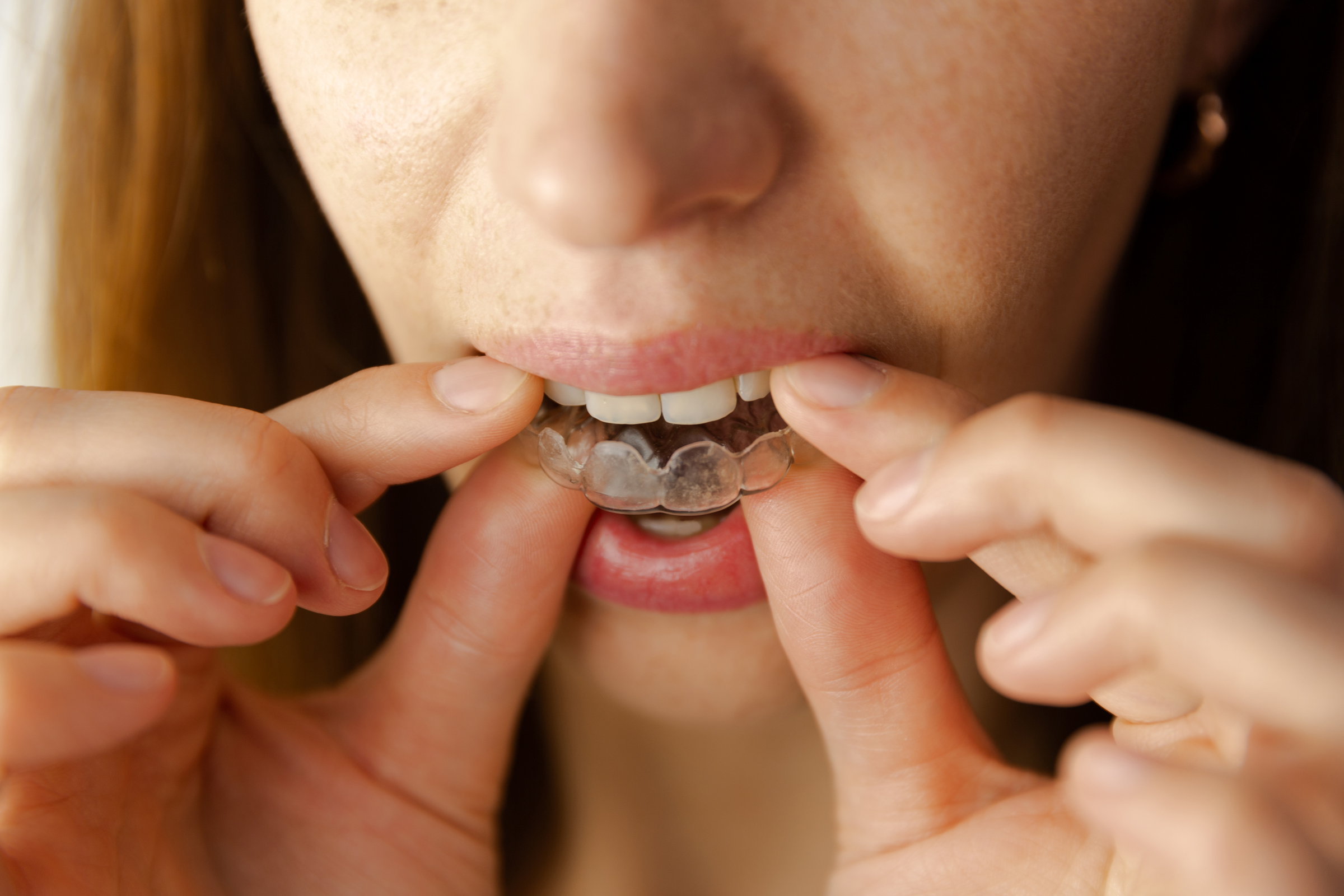
Bruxism describes repetitive clenching or grinding activity. It may be associated with morning muscle fatigue, headaches, tooth wear, sensitivity or fractures, but these symptoms can also have other causes.
Temporomandibular disorders involve the jaw joints, chewing muscles and related structures. Painless clicking alone does not always require treatment, while persistent pain, locking or restricted opening should be assessed.
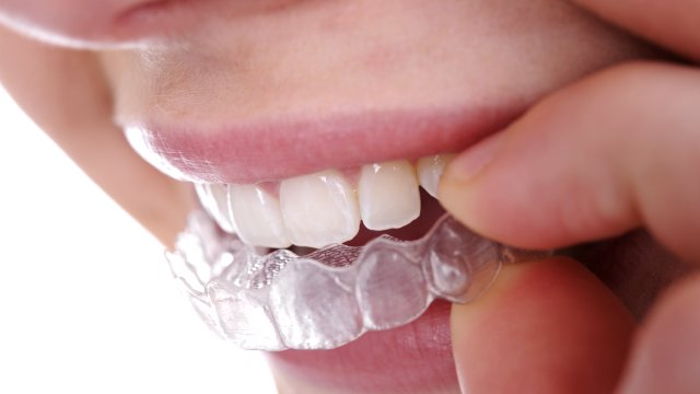
Care begins with conservative, reversible options. A custom night guard can help protect teeth; a stabilisation or joint splint is selected and monitored according to the bite and examination findings. Behavioural advice, exercises, physiotherapy or medical referral may also be appropriate.
For selected patients with marked masseter overactivity, botulinum toxin injections may be considered after a full assessment by our oral and maxillofacial surgeons. The effect is temporary, it is not suitable for everyone, and it does not address every cause of bruxism or TMD.
Every person has different clinical needs. Suitability, treatment options and timing can only be confirmed after an examination and any necessary imaging.