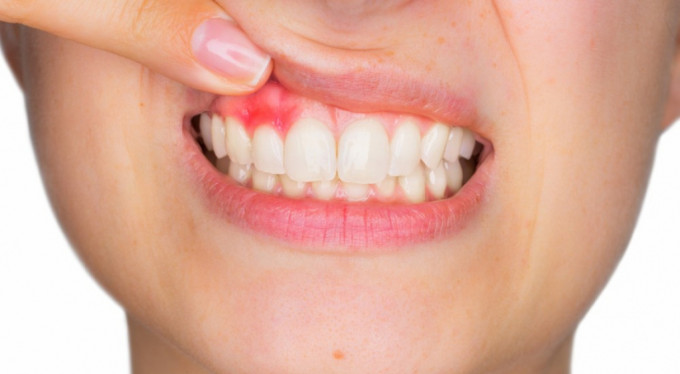
Gums most commonly bleed when plaque remains along the gumline and causes inflammation. Brushing harder is not the solution; consistent, gentle cleaning with the right technique is more helpful.
Other factors can include calculus, poorly fitting restorations, hormonal changes, certain medications or systemic conditions. Bleeding that persists, occurs spontaneously or accompanies swelling, recession, bad breath or tooth mobility should be assessed.
A dental examination identifies whether professional cleaning, periodontal treatment or a change in home care is needed. Early assessment can prevent a manageable problem from progressing.
Information notice
This content is for general information. Diagnosis and treatment require a personal dental examination.